


What if a single overlooked document or a rushed decision made in your startup’s exciting early days could unravel years of hard work, personal savings, and future growth? The truth is, legal missteps directly impact small business owners’ bottom lines through fines, lawsuits, and wasted time; yet, most forgo professional counsel until it’s too late. The most ambitious entrepreneurs often become so focused on their product and customers that they unknowingly expose their company to preventable legal and compliance risks.
The good news? These catastrophic legal mistakes entrepreneurs make are almost entirely preventable with awareness and the right systems in place. Here, we break down the seven most common and costly legal missteps that jeopardize new ventures— reduce those risks and strengthen your legal foundation from day one.
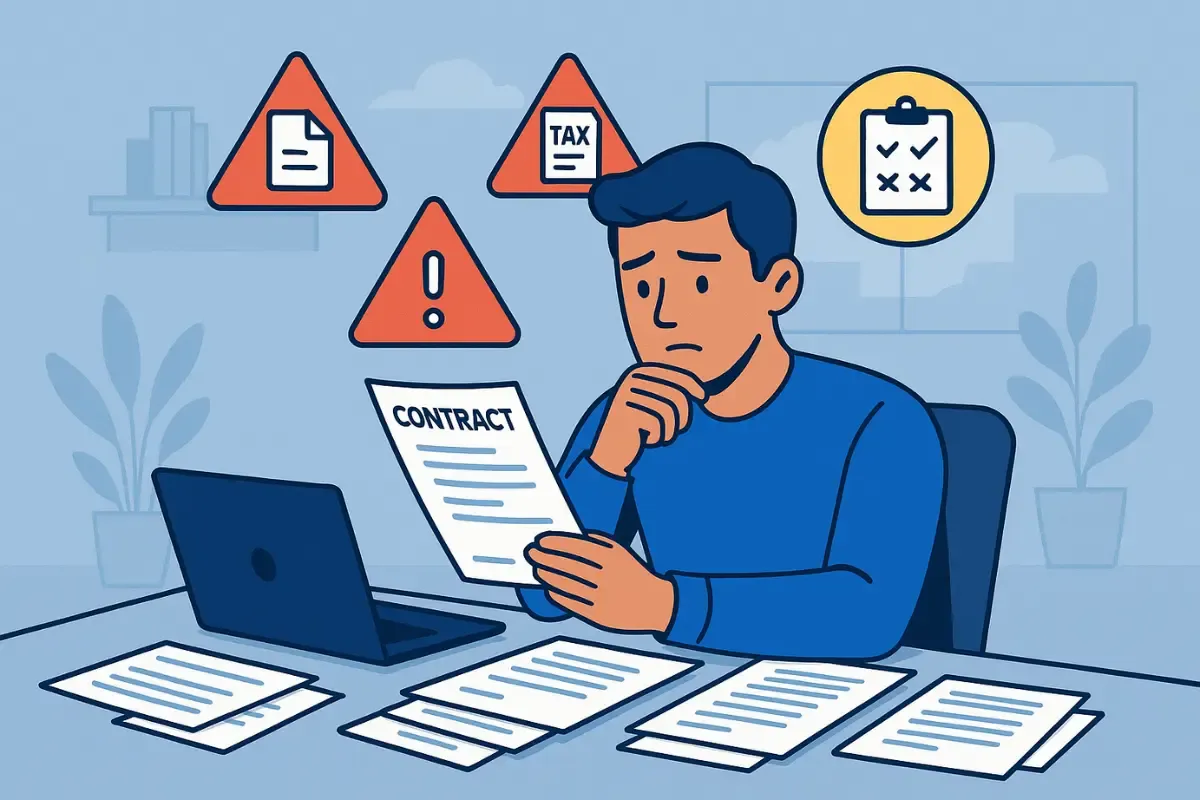
Key Takeaways
Entity choice is critical: The wrong business structure can expose your personal assets to business-related liabilities.
Compliance is not optional: Missing annual reports or state filings can lead to fines, loss of liability protection, or even administrative dissolution of your company.
Handshake deals are worthless high-risk: Without proper contracts and operating agreements, partnership disputes can shut down operations overnight.
Your brand is an asset: Failing to protect intellectual property like your business name or logo can force a costly rebrand down the road.
Proactive protection is cheaper than reactive defense: Services like those offered by InCorp provide affordable, ongoing compliance monitoring that prevents problems before they start.
Why Legal Compliance Matters for Startups
Think of legal compliance not as red tape, but as the structural foundation of your company. A strong foundation allows you to build high and weather any storm. A weak one ensures everything collapses at the first sign of trouble. Proper compliance isn’t about bureaucracy—it’s about creating a legitimate, protected entity that can grow, attract investment, and survive disputes.
As emphasized by American Public University, conducting thorough due diligence on legal issues like licensing requirements, zoning laws, and industry-specific regulations is not just advisable; “It is essential to conduct proper legal due diligence” from the very beginning (APUS).
This foundation separates your personal identity from your business identity, shielding your family’s assets from professional liabilities. It’s the difference between a hobby and a real, scalable company.
Misstep #1 – Choosing the Wrong Business Structure
Selecting the wrong business entity is the cardinal sin of startup legal planning. Choosing the appropriate business structure—such as LLCs, corporations, or sole proprietorships—is crucial to ensure proper legal and tax compliance, as it affects your personal liability, tax burden, and ability to raise capital.
Many entrepreneurs default to a sole proprietorship for its simplicity, not realizing that this structure provides no liability separation between personal and business assets. This means if your business is sued or can’t pay its debts, creditors can pursue your personal assets—your home, car, and savings—to settle obligations.
The Solution: Most small businesses find the Limited Liability Company (LLC) structure can offer a balance of liability protection, tax flexibility, and management simplicity. Corporations may be better outside investment or issuing stock. InCorp helps entrepreneurs evaluate key factors to choose an appropriate structure during the incorporation process.
Misstep #2 – Failing to Register or File Properly
Simply having an idea for a business name doesn’t make it yours. Failing to properly register your business name with the state or secure the necessary local licenses and permits can lead to state enforcement actions, delays in operations, or fines.
Certain industries also require federal or specialized licensing. For example, securing a loan against business assets typically requires a UCC filing to record a creditor’s security interest, and missing this step can affect priority in repayment but does not automatically invalidate contracts.
The Solution: Ensure your business name is registered and all necessary local, state, and federal permits are secured before you open your doors. A comprehensive formation service handles this systematically.
Misstep #3 – Overlooking Operating Agreements & Bylaws
For multi-member LLCs or corporations, an operating agreement or corporate bylaws are non-negotiable. These internal documents are the rulebook for your business, outlining:
Percentage of ownership
Roles, responsibilities, and voting rights
How profits and losses are distributed
What happens if an owner wants to leave, becomes disabled, or passes away
Operating without this agreement often leads to disputes and uncertainty that can cripple operations or result in litigation. Vague verbal agreements become he-said-she-said arguments that are often unenforceable in practice and can paralyze a business and lead to expensive litigation.
The Solution: InCorp provides templates and administrative guidance to help cover key provisions, though it’s recommendable to have documents reviewed by a licensed attorney for legal sufficiency.
Misstep #4 – Ignoring Ongoing Compliance Requirements
Your legal obligations don’t end after formation. States require ongoing maintenance, typically including:
Annual Reports: Updates on your company’s address and leadership. Most states mandate annual reports that cover a broader range of information, such as registered agent details, principal office, ownership or officer info, company purpose, business activities, and other statutory disclosures necessary to maintain good standing.
Franchise Taxes: Fees for the privilege of operating as a registered entity in the state.
Business License Renewals: Keeping state, federal, and local permits and licenses current.
Failing to meet these obligations can cause loss of good standing and state administrative dissolution of your entity. While this doesn’t automatically erase liability protection, your company’s dissolution may affect your ability to enforce contracts or maintain limited liability until reinstated.
The Solution: Implement a system to track deadlines. InCorp’s compliance calendar and reminders help business owners stay on schedule, minimizing the risk of missed filings.
Misstep #5 – Mishandling Intellectual Property (IP) Protection
Your business name, logo, original products, and proprietary processes are valuable assets. Protecting trade secrets—such as confidential formulas, customer data, and unique business processes—is essential for maintaining a competitive advantage. Failing to protect them through trademarks, copyrights, or patents can allow competitors to steal your ideas, dilute your brand, and force a costly rebrand down the road.
The U.S. Department of Commerce advises that “Intellectual property protection is critical to fostering innovation” and provides a wealth of resources on how to protect intellectual property domestically and abroad.
The Solution: Identify your core IP early and file for protection where appropriate. Use official resources such as the USPTO or licensed IP counsel to ensure proper filing. The National Inventors Hall of Fame also offers excellent resources on resource protection for innovators.
Misstep #6 – Not Having Proper Contracts in Place
Relying on handshake deals or poorly drafted templates found online is a profound risk. Every business relationship, from clients and vendors to contractors and partners, needs a clear contract that outlines:
Scope of work
Payment terms
Confidentiality clauses
Dispute resolution process
Without clear contracts, disagreements can become expensive legal conflicts.
The Solution: Develop well-drafted, standardized contracts tailored to your business’s recurring relationships. Consulting legal professionals for initial contract review can help ensure enforceability and compliance.

Misstep #7 – Overlooking Employer & HR Compliance
The moment you hire your first employee, a new world of compliance opens. When hiring employees, it is crucial to create clear, well-drafted business agreements that define roles, compensation, and responsibilities to prevent legal disputes and misunderstandings. You must also comply with federal, state, and industry-specific labor laws to avoid penalties and ensure fair treatment of your workforce. Misclassifying employees as independent contractors, failing to carry required workers’ compensation insurance, or not adhering to wage and hour laws can lead to penalties, back wages, and lawsuits.
The Solution: Use payroll and HR systems that stay current with state and federal regulations. Engaging an HR consultant or payroll provider helps maintain compliance from the outset and minimizes employment law exposure.
Misstep #8 – Commingling Funds and Missing Tax Obligations
Maintaining separate finances isn’t just good practice—it’s a legal safeguard. Mixing personal and business funds, or “commingling,” can allow creditors to argue “piercing the corporate veil,” undermining your limited liability.
Furthermore, failing to meet tax obligations—such as missing payroll tax payments, sales tax remittance, or quarterly estimated taxes—triggers severe penalties and interest from federal and state agencies. These aren't simple fees; they are liabilities that can lead to liens on your business assets or even personal liability for trust fund taxes.
The Solution: Maintain a dedicated business bank account, use accounting software, and consult a tax professional to ensure compliance with federal and state tax laws. InCorp’s compliance tools help manage deadlines related to state-level filings but do not replace tax or legal advice.
Misstep #9 – Failing to Meet Tax Compliance and Financial Obligations
Neglecting tax compliance and financial obligations can quickly lead to costly and time‑consuming consequences. Missing quarterly tax payments, failing to register for required licenses and permits, or misclassifying employees as independent contractors may result in significant fines, legal disputes, and exposure of personal assets when appropriate liability protections are not in place.
The best approach is to understand your specific tax requirements—such as payroll, self‑employment, and sales taxes—and to establish a reliable process for meeting those obligations. This includes keeping accurate financial records, staying informed about applicable regulations, and ensuring your business structure limits personal liability. Working with a qualified tax professional can help you navigate the complexity of tax laws and maintain timely, accurate filings.
By making tax compliance a standard part of your operations, you safeguard your business against unnecessary risk while reinforcing credibility, maintaining strong business relationships, and creating a stable foundation for sustainable growth.
How InCorp Helps Entrepreneurs Avoid Legal Missteps
Navigating business compliance requirements can be complex and time‑consuming. InCorp Services is here to support entrepreneurs with tools and resources that simplify the process.
Business Formation: We handle your initial filing accurately and efficiently, ensuring your business structure is formed correctly.
Registered Agent Service: Required in all states, our service receives official state notices and other legal documents on your behalf and promptly forwards them to your designated contact.
Compliance Monitoring: Our proprietary entity management systems track all your state filing deadlines and send you timely reminders.
Expert Support: Our team understands the nuances of state-specific requirements, helping you make informed decisions.
By streamlining compliance tasks and keeping important details on track, we help you stay focused on running and expanding your business.
Conclusion – Building a Legally Strong Business from Day One
The journey of entrepreneurship is challenging enough without self-inflicted legal wounds. By understanding these common mistakes—from choosing the wrong business structure to ignoring ongoing compliance—you empower yourself to build a business that is protected, credible, and built for long-term growth.
The smartest founders understand that investing in a proper legal setup is the highest-return investment they can make. It’s the cost of admission to building something that lasts.
Ready to build your business on a foundation of compliance and confidence? Let InCorp handle the complexities so you can focus on your vision.
FAQs
Disclaimer
This content is intended for general educational and informational purposes only and does not constitute legal, tax, or accounting advice. Every effort is made to keep the information current and accurate; however, laws, regulations, and guidance can change, and no representation or warranty is given that the content is complete, up to date, or suitable for any particular situation. You should not rely on this material as a substitute for advice from a qualified professional who can consider your specific facts and objectives before you make decisions or take action.
Stay Informed!
Sign up to receive important updates, helpful resources, and special offers.