


What if a single missed paperwork deadline locked your business out of a major loan, or even a day in court? For many companies, this isn't a hypothetical—it's the direct consequence of losing their good standing. Maintaining your company's good standing with the state is a fundamental
A survey by the Association of Corporate Counsel and Deloitte Tax found that 26% of organizations reported that at least some of their corporate entities had been out of good standing with regulators in the past two years, highlighting how common this challenge is.
This guide outlines the common compliance errors that jeopardize a company's good standing and how proactive management can help avoid them. InCorp helps businesses manage some of these challenges through services like annual report filing and registered agent representation.
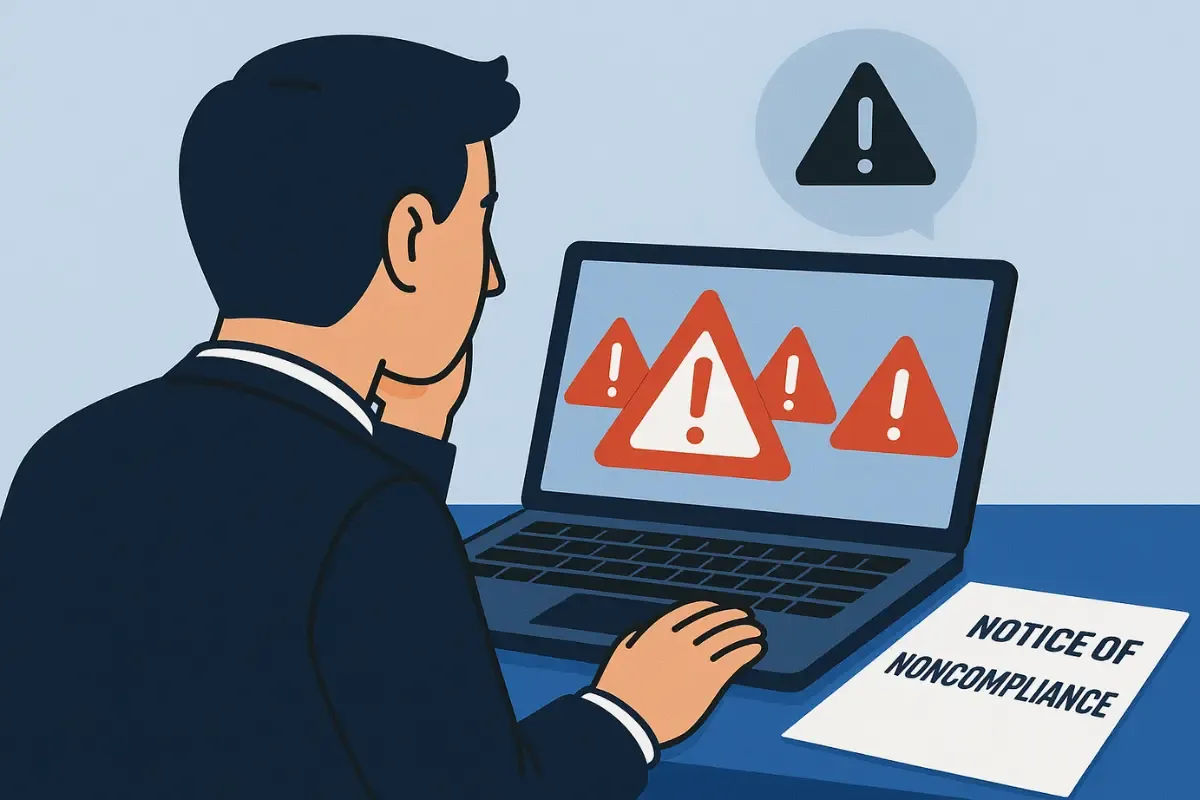
Key Takeaways
Good standing is your company’s active, compliant status with the state, while “legal standing” in court is a separate concept about who can sue; a business can have one without the other, so it is critical to understand the distinction.
Most losses of good standing come from preventable compliance gaps like missed annual or biennial reports, unpaid franchise taxes or fees, failure to maintain a registered agent, outdated records, ignored notices, or operating in another state without foreign qualification.
Falling out of good standing can trigger penalties, administrative dissolution, temporary limits on the ability to maintain lawsuits, and knock‑on problems with licenses, financing, name rights, and enforcement of contracts or IP, especially if noncompliance persists.
In many states, status problems are fixable through reinstatement or registration once overdue filings and fees are addressed, but delays increase cost and legal risk and may invite closer scrutiny of governance and record‑keeping.
Centralized calendars, reliable registered agent services, periodic compliance audits, and entity‑management tools provide a practical framework for keeping entities in good standing across all jurisdictions so owners can focus on running and growing the business
What Does Legal Standing Mean for a Business?
In everyday business compliance, “legal standing” is often used informally to describe whether a company is in good standing with the state, but technically these are different concepts. Legal standing in the courtroom context refers to a party’s ability to bring a lawsuit—usually requiring a concrete injury, causation, and a likelihood that the court can provide a remedy. By contrast, “good standing” refers to a company’s status with the Secretary of State or equivalent authority, confirming that required filings and fees are current and that the entity is authorized to do business.
Legal standing in business compliance for purposes of this article refers to a company’s formally recognized status with a state authority—often described as being “active” or “in good standing.” This status allows the business to operate, enter into contracts, and maintain its legal rights within that jurisdiction. A business maintains its good standing by keeping required state filings current, meeting specific obligations, and remaining listed as "active" or in "good standing" on official state records. While discussions of Article III standing by Congress and courts explain when a party may sue in federal court, those doctrines are distinct from state corporate good‑standing rules and are referenced here only as a conceptual analogy to having recognized status in a legal system.
As the UNCAC Coalition outlines, legal standing establishes a party's capacity to function within a legal system. For a business, this means fulfilling the conditions set by the state of incorporation and any state where it operates.
Distinguishing court standing from good standing status
It is important not to confuse “standing” to sue in court with “good standing” as a registered entity. A corporation or LLC can have Article III standing (for example, because it has suffered a financial injury) and still be temporarily barred from maintaining an action in a particular state court if it has fallen out of good standing or failed to register properly in that state. In many jurisdictions, once the entity cures its filing or registration issues—often through reinstatement or foreign qualification—it may then proceed with its claims.
The Role of State Compliance in Legal Standing
States monitor corporate compliance through required reports, fees, and information updates. When a business fails to meet these requirements, the state can take actions that result in a loss of good standing or even administrative dissolution. This process is the state’s method of ensuring that all entities operating under its laws adhere to the same rules. It creates a standardized audit trail of a company's existence and governance.
Why Legal Standing Matters for Your Business
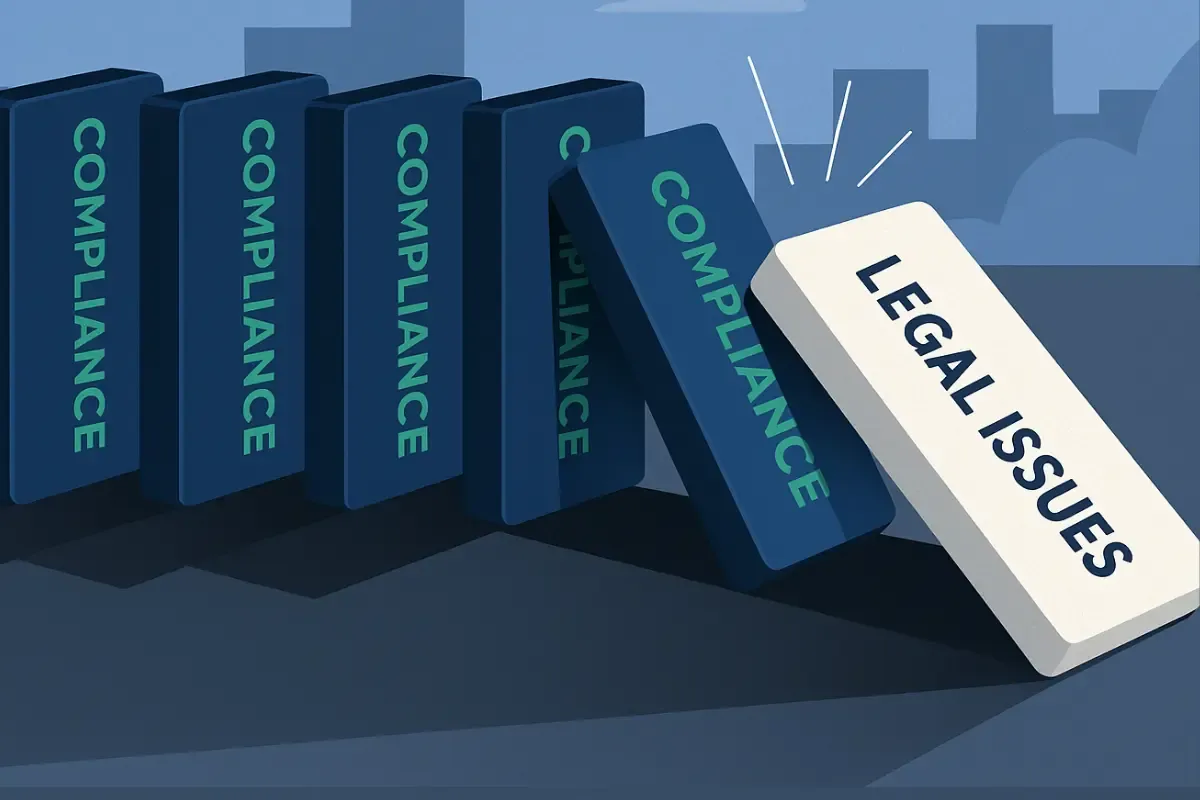
A company's good good standing directly impacts its operational capacity and reputation. Maintaining your legal standing protects your ability to conduct business without interruption. More than a single penalty, losing good standing often triggers a cascade of compounding problems.
Upholds Liability Protection: For LLCs and corporations, a lapse in standing does not automatically eliminate limited liability, but prolonged loss of good standing or failure to address an administrative dissolution can increase the risk that courts more closely scrutinize the entity’s records and, in serious cases involving misuse or commingling, may disregard the corporate veil. This foundational protection is often the first thing at risk if broader governance and compliance problems are present
Ensures Access to the Legal System: A business not in good standing may in some states be restricted from maintaining a lawsuit in state court until it reinstates or properly qualifies, hindering its ability to collect debts or enforce contracts. This can make it challenging to collect debts or enforce agreements, directly impacting revenue.
Builds Credibility with Partners: Banks, lenders, and potential partners often require a Certificate of Good Standing before closing financing deals or forming significant partnerships. It serves as a baseline credential for trust.
Maintains Operational Continuity: Losing good standing can lead to administrative dissolution or revocation of authority to do business, which may in turn affect licenses and permits that depend on an active entity status. As Article III and related analyses emphasize, standing is a prerequisite for participating in legal actions—and, as Electronic Privacy Information Center (EPIC) notes, establishing standing is a prerequisite for participating in legal actions, analogous to a business's need to have standing to operate fully in the commercial world.
Protects Brand and Intellectual Property: In some cases, a lapse in standing can complicate the enforcement of trademarks or other intellectual property rights, as the business may not be recognized as a valid entity capable of holding such rights until its status is restored. What begins as an administrative error can ultimately threaten the business's core assets and market identity.
Common Reasons Businesses Lose Their Legal Standing
Businesses often lose legal standing due to overlooked administrative tasks and complex state filing requirements. Many of these issues can be reduced with organized monitoring and timely filings. InCorp supports businesses by helping track deadlines and manage filing logistics.
Failure to File Annual Reports on Time
Missing biennial or annual report deadlines is a primary reason for losing good standing. States require these reports to keep business information up to date. Failure to file can lead to penalties and administrative dissolution. Consistent compliance tracking helps businesses stay aware of these recurring filing deadlines. InCorp offers services to monitor these dates and manage the related administrative tasks.
The Oversight: Many business owners mistakenly believe forming their company is a one-time event. They are often unaware of or forget ongoing reporting requirements, assuming their LLC or corporation will remain active indefinitely without further action.
Non-Payment of State Fees or Taxes
Unpaid franchise taxes, annual renewal fees, or late payment penalties can result in revoked status. States treat these payments as a core requirement for maintaining an active status. Maintaining an updated compliance calendar helps businesses avoid the costly business reinstatement process that follows.
The Distinction: It's important to understand that tax compliance with the IRS and state revenue department is separate from maintaining standing with the Secretary of State. A business can be current on its income tax return but lose its standing for failing to pay a separate annual franchise tax or fee to the same state.
Not Maintaining a Registered Agent
Fulfilling the registered agent requirement is mandatory for receiving service of process and official state mail. If a business fails to maintain a registered agent, or if its agent is unavailable, the state may revoke its good standing immediately. InCorp offers registered agent services in all 50 states, supporting businesses by receiving this critical state correspondence.
The Risk of Using an Individual: When a business owner acts as their own registered agent, they risk missing a notice if they are on vacation, sick, or have moved offices. Since state documents are often time-sensitive, this single point of failure can have immediate consequences.
Incorrect or Outdated Business Information
Providing outdated information on official forms, such as old addresses or officer details, creates noncompliance risks. States need accurate data to communicate with the entity. Periodic reviews and updates of state records are necessary to maintain business compliance.
The Ripple Effect: Inaccurate information can cause a chain reaction. A change of address that isn't filed with the state can lead to missed annual report reminders, which then lead to late filings and penalties. Proper document management of all entity-related data is crucial to prevent this.
Ignoring State Notices or Compliance Deadlines
Failure to comply with official state notices or other compliance deadlines may result in administrative penalties or dissolution. Many notices provide a window for corrective action, but ignoring them escalates the problem. Setting up automated alerts helps track these communications. As legal professionals note, ignoring official notices from any government agency can compound problems and lead to more severe consequences.
The Digital Age Challenge: While many states send paper notices, an increasing number are moving to email alerts. These can easily be lost in a cluttered inbox or mistaken for spam, making a dedicated system for tracking official communications even more valuable.
Operating in Another State Without Foreign Qualification
Conducting business in another state without the proper foreign qualification can cause legal penalties and loss of access to that state's courts. This violates state reporting requirements for out-of-state entities. InCorp can help handle the foreign qualification filing process to support a company's multi-state compliance.
Understanding "Doing Business": The definition of "doing business" varies by state, but often includes having a physical office, employees, or regularly soliciting sales within the state. Companies experiencing organic growth into new markets can inadvertently trigger this requirement.
How to Maintain Your Legal Standing
Proactive steps help businesses stay compliant and avoid administrative dissolution. Consistent monitoring and timely filings are the foundation of good legal compliance. InCorp provides tools and services that help businesses stay organized with their filing schedules.
Stay Current on State Filing Deadlines
Missing filing deadlines for annual reports or renewals risks losing good standing. Using an entity management tool for filing alerts helps businesses track and meet these obligations. This proactive approach to document management ensures you never miss a critical date.
Create a Centralized Calendar: Consolidate all filing deadlines across all states where you operate into a single master calendar. This provides a holistic view of your compliance obligations for the entire year.
Keep Your Registered Agent Updated
A reliable registered agent plays a critical role in receiving official notices. Partnering with a professional provider like InCorp ensures continuity even during business address or personnel changes, safeguarding this vital link to the state.
Evaluate Your Agent's Role: Your registered agent should be more than just an address; they are a key partner in your compliance strategy. Ensure they have robust systems for promptly forwarding documents and sending you digital alerts. Choosing one of the best registered agent services ensures reliability and expertise in handling critical documents.
Monitor Annual Report and Tax Obligations
Staying up to date on annual report submissions and tax reporting payments helps maintain compliance. Setting reminders or delegating these tasks to experts can help avoid missed payments that threaten your standing.
Understand All Your Obligations: Beyond the well-known annual report, be aware of other potential regulatory filings, such as initial and final lists of managers/members, business privilege taxes, or industry-specific reports.
Regularly Update Business Information
Keeping business data current prevents state record discrepancies. Scheduling periodic reviews of your entity-related data ensures all filings reflect accurate company information, which is a key part of regulatory filings.
Conduct an Annual Compliance Audit: Review your company's standing in every state once a year. Check your status online, verify that your registered agent and business address are correct, and confirm that all officer and director information is up to date.
How InCorp Helps Businesses Maintain Legal Standing
InCorp supports businesses with administrative tasks, including receiving state correspondence and organizing compliance-related filings. Services like Registered Agent, Entity Filing Management, and Annual Report Filing Assistance provide proactive support to prevent costly lapses.
Nationwide Registered Agent Services: Ensure you never miss a critical notice from any state. We provide a reliable physical address in every jurisdiction and immediately forward time-sensitive documents.
Entity Management Technology: Our platform, featuring tools such as Entity Watch, provides a centralized system for tracking filing deadlines and key dates. This entity management technology gives you a dashboard view of your entire compliance portfolio.
Managed Report Services: We help prepare and file your annual reports and other required regulatory filings to keep you compliant. Our team manages the details, from verifying information to submitting documents and payments.
This comprehensive approach to business compliance management helps businesses maintain their legal standing efficiently, reducing the administrative burden on internal staff.
Why Ongoing Compliance Support Matters
Maintaining legal standing is not a one-time task but an ongoing responsibility. The statistic that 26% of organizations have entities out of good standing underscores the pervasive nature of this challenge.
With over 33 million small businesses in the U.S., the administrative burden of legal compliance is significant. Proactive compliance monitoring and deadline management provide long-term stability, allowing business owners to focus on growth rather than paperwork. For businesses operating in multiple states, this complexity multiplies, making a dedicated partner not just helpful but a strategic asset for sustainable development.
Contact InCorp today to learn how our services can help you maintain good standing.
FAQs
Disclaimer
This content is intended for general educational and informational purposes only and does not constitute legal, tax, or accounting advice. Every effort is made to keep the information current and accurate; however, laws, regulations, and guidance can change, and no representation or warranty is given that the content is complete, up to date, or suitable for any particular situation. You should not rely on this material as a substitute for advice from a qualified professional who can consider your specific facts and objectives before you make decisions or take action.
Stay Informed!
Sign up to receive important updates, helpful resources, and special offers.