


A Certificate of Amendment is a state-filed document businesses use to formally update key details in their formation records, such as business name, address, or ownership structure. Filing amendments accurately and on time is essential for maintaining compliant state records. Failing to file required amendments can lead to inaccurate public records, compliance issues, and potential problems with good standing. This can affect a company's ability to secure financing, enter into contracts, and maintain a professional reputation. InCorp assists businesses by preparing and filing amendments and providing access to a comprehensive library of business form templates, helping companies complete these filings correctly and maintain their legal standing.
Key Takeaways
A Certificate of Amendment (or Articles of Amendment) is the formal way to change what appears in your Articles of Organization or Incorporation, including business name, principal office, registered agent, business purpose, or authorized shares.
You generally need to amend your formation documents any time you change information that was originally filed, while some states let you handle narrower updates—like certain officer or management details—on an annual report or separate change form instead.
The basic process is to identify what you need to change, review your state’s specific forms and requirements, complete the amendment accurately, submit it (online or by mail) with the filing fee, and then update internal records, licenses, and contracts once the state accepts the filing.
Filing fees and processing times vary by state, but most amendments are processed within a few business days to several weeks, with many Secretaries of State offering expedited service for an additional fee when faster turnaround is needed for transactions.
Keeping amendments, restated articles, and related records up to date helps preserve good standing, reduces the risk of penalties or administrative dissolution, and makes it easier to secure financing, complete deals, or pass due diligence when counterparties check public records.
InCorp can help by preparing and filing amendments, coordinating multi‑state filings, assisting with registered agent and address updates, and providing templates so your internal documents stay aligned with what appears on file with the state.
What Is a Certificate of Amendment?
A Certificate of Amendment is a legal form filed with the Secretary of State to formally update information in a company's original formation documents, such as Articles of Organization or Incorporation. Businesses use this certificate to record changes like a new business name, an updated address, a revised ownership structure, or adjustments to authorized shares. These updates keep state records legally accurate. For example, the New York Department of State provides specific forms for domestic limited liability companies and distinct forms for domestic business corporations to amend their formation documents. It is important to distinguish this from a Certificate of Merger, which is used when combining two entities, or from documents for a Limited Partnership, which have their own amendment procedures. InCorp assists with preparing and filing these amendments and provides clients with a library of business form templates to help complete additional updates correctly.
Common Reasons to File a Certificate of Amendment
Businesses generally must file an amendment when major details on file with the Secretary of State change. Knowing when to amend business registration is key to maintaining compliance. Ensuring state records match the company's current information is essential for maintaining good standing and avoiding compliance issues such as rejected filings or state penalties. In some states, certain updates (such as address or management details) may be reported on a separate change form or annual report instead of a Certificate of Amendment, so always check your state’s rules. InCorp supports this process by handling the preparation and submission of certain amendments and offering template resources for additional updates.
Changing the Company Name
A business must file a Certificate of Amendment to execute a change of business name legally and update its official public records. The process typically involves checking name availability with the state to ensure the new name isn't already in use, filing the amendment with the correct filing fee, and updating related documents and business licenses. A company might undertake a name change to reflect a new brand direction, after a merger, or to distance itself from a negative public perception. For a detailed walkthrough, see our guide on how to change your business name. After approval, you must update all customer-facing materials, vendor contracts, and bank accounts to reflect the new legal name.
Updating the Business Address or Registered Agent
Changes to a company's principal business address or Registered Office must be filed with the state to keep public records accurate. This includes moving your main office or changing your commercial location. Prompt updates are crucial, as outdated addresses or agent details can lead to missed legal notices, tax documents, or compliance issues. For instance, if your business moves to a new city and you fail to update your address, the state may send important notices to the old location, potentially causing you to miss critical deadlines. InCorp offers registered agent services and helps clients submit the required forms to update their registered agent or business address in accordance with state requirements.
Modifying Ownership or Management Structure
Updates such as adding or removing LLC members, changing officers or directors, or adjusting management roles must be formally recorded with the state through an LLC amendment filing (or other state-approved form, depending on jurisdiction). These changes often occur when bringing on new investment partners, promoting key employees, or restructuring for operational efficiency. Accurate state records are essential for maintaining good standing and ensuring consistency between internal documents, such as the operating agreement, and public filings. If your operating agreement lists Member A as the sole managing member, but Member B is now acting in that role without a filed amendment, this discrepancy can create legal uncertainties. InCorp helps clients prepare and file certain ownership or management updates and provides templates for additional documentation.
Expanding or Narrowing Business Purpose
If a business changes its scope by adding new services or entering new markets, it must file an amendment to ensure the official business purpose on record matches its current activities. A consulting firm originally formed for "management consulting" may need to amend its purpose to include "digital marketing services" if it expands its offerings. Outdated purposes can cause issues during licensing, banking, or state-level reviews, making timely amendments important for ongoing compliance. Lenders reviewing your business loan application may check your articles of incorporation; if your stated purpose doesn't align with your current operations, it could raise concerns about corporate formalities.
Other Scenarios Requiring Amendments
Beyond the common reasons, several other business changes may necessitate a Certificate of Amendment.
Changing the Number of Authorized Shares
Corporations that need to create more shares for fundraising, employee stock plans, or other corporate purposes must file an amendment to change the number of authorized shares in their articles of incorporation. This change often requires shareholder approval according to the company's bylaws and state law before the amendment can be filed with the state.
Altering Voting Rights or Share Classes
Companies creating new classes of stock with different voting rights or dividend preferences must document these changes through an amendment. This might occur when a company seeks to attract investors who want preferred stock with specific rights while maintaining common stock for founders and employees.
Step-by-Step Guide to Filing a Certificate of Amendment
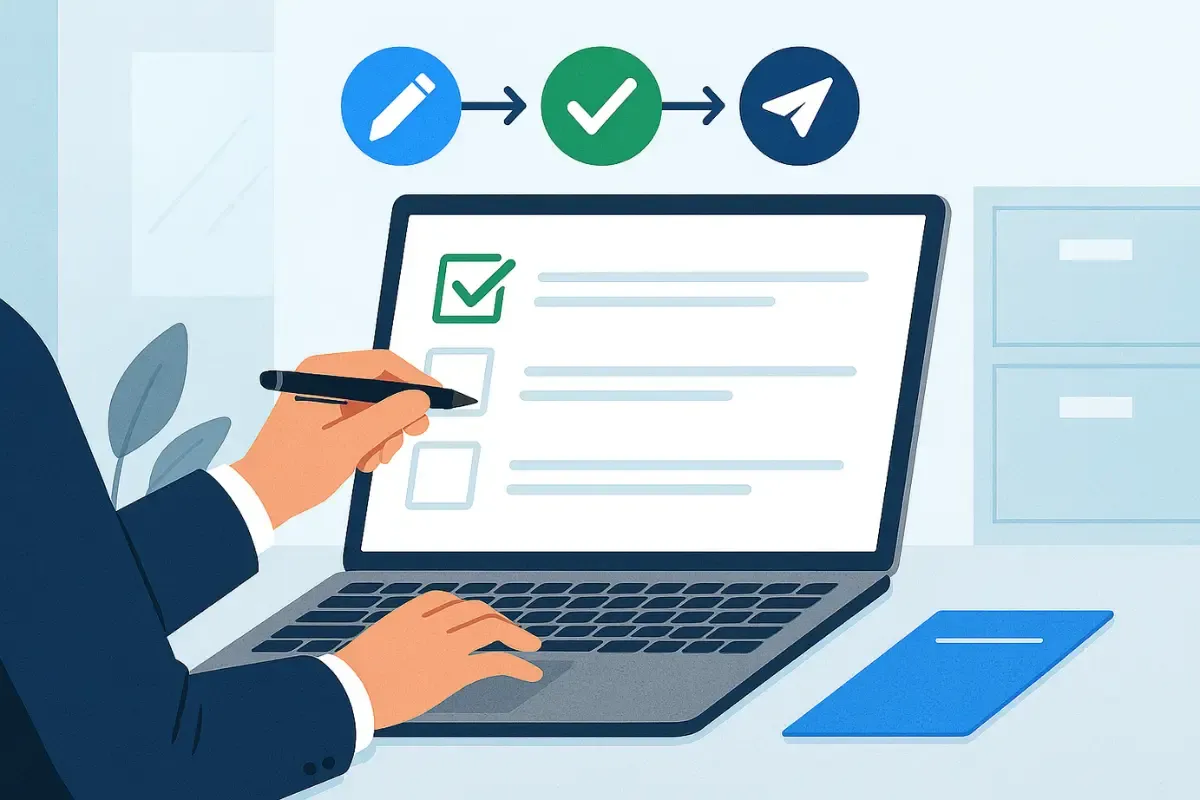
The general certificate of amendment filing process for amending company details varies by jurisdiction. InCorp helps businesses manage this process by handling state-specific paperwork and ensuring accurate submissions, and also provides corporate record kits, seals, and stock certificates to assist with company documentation.
Step 1 – Identify the Type of Change
The first step is to determine which company details need updating—such as name, address, ownership, or business purpose. Understanding the impact of each change before filing helps avoid multiple amendments and ensures comprehensive updates to your business records. For example, if you're changing both your business name and address, you may be able to include both changes in a single amendment filing, saving time and money. Document the specific modifications required and gather supporting documents, such as board meeting minutes or member consents authorizing the amendment.
Step 2 – Review State-Specific Requirements
Each state has its own amendment form, filing fee, and approval process. Some states require specific forms for different entity types, while others use universal amendment forms for corporations and Foreign LLCs alike. Research whether your state requires the amendment to be notarized or if it needs to include specific language. Some jurisdictions may require you to file a name availability reservation before submitting your amendment if you're changing your business name. Checking these requirements beforehand prevents unnecessary delays. For instance, the New Mexico statute outlines the specific provisions for amending corporate documents.
Step 3 – Complete the Amendment Form Accurately
Completing the business amendment form accurately is crucial. Key sections typically include the current business name, specific amendment details, and required signatures. Most forms will ask for your entity identification number, the exact wording of the change, and sometimes a statement that the amendment was properly approved according to your governing documents. For ownership changes, you may need to provide the names and addresses of new members or managers. InCorp's amendment services ensure all information is correctly prepared and submitted in accordance with state specifications, reducing the risk of rejection due to formatting errors or missing information when handling business amendment forms.
Step 4 – Submit to the Secretary of State and Pay Fees
Submission methods vary by state, with most offering online, mail, or in-person options. The filing fee typically ranges from $25 to $200, depending on the state and entity type, with some states charging higher fees for corporations than for LLCs. Processing times range from a few business days for online filings to several weeks for paper submissions. Many states offer expedited processing for an additional fee, which can reduce turnaround time to 24-48 hours. Consider your timeline when choosing a submission method, as business transactions sometimes require faster processing.
Step 5 – Confirm Approval and Update Internal Records
After submission, verify state approval through the Secretary of State's website. Most states offer online business entity searches that let you confirm your amendment has been processed and view the updated information. Once confirmed, update internal records, bank accounts, licenses, and contracts. This includes revising your operating agreement or corporate bylaws, updating business cards and marketing materials, notifying your bank and credit card companies, and informing clients and vendors of any relevant changes. InCorp can help manage this post-filing process to ensure all documents reflect the change officially.
How Much Does It Cost to File a Certificate of Amendment?
The cost to file an amendment varies significantly by state. According to a national comparison, amendment fees range from $25 in states like Arizona to $100 or more in other jurisdictions. These fees represent only the state filing cost and don't include potential professional service fees. Additional costs may include expedited processing fees, notary fees, and potential legal fees if you consult an attorney. If you need to reserve a new business name before filing your amendment, that will involve a separate fee. InCorp's filing services help reduce rejections and avoid re-filing costs by ensuring accurate submissions the first time. The National Association of Insurance Commissioners provides a detailed chart of corporate amendment filing fees across different states.
How Long Does the Amendment Process Take?
Processing times for Certificates of Amendment vary by state but generally follow a standard timeline. Most states process amendments within a few business days to several weeks, depending on their workload and filing method. Online filings typically process faster than paper submissions mailed to the state office. During peak filing periods, such as the beginning of the year when many businesses file annual reports, processing times may extend beyond normal estimates. Many states offer expedited processing for an additional fee, which can reduce turnaround to as little as 24-48 hours in some jurisdictions. The specific timeline often depends on whether you file online, by mail, or through a professional service. If your amendment requires review by a particular department, such as for a name change that might conflict with an existing business, processing may take additional time.
Common Mistakes to Avoid When Filing an Amendment
Businesses frequently make errors when filing Certificates of Amendment, such as submitting incorrect information, using outdated forms, missing required signatures, or failing to update related documents after approval. These mistakes can cause the state to reject the filing, delay processing, or create inconsistencies in public records that lead to compliance issues. InCorp helps prevent these problems by preparing and filing amendments on behalf of clients and providing access to accurate form templates.
Submitting Outdated Forms
Using an outdated or incorrect state form can invalidate the amendment filing or delay processing. States periodically update their forms and filing requirements, so a form that was correct last year may no longer be acceptable. Always verify you're using the current version from the Secretary of State's website before submission. Using generic amendment forms found through internet searches rather than state-specific forms is another common error that leads to rejection.
Failing to Notify Tax Agencies or Banks
After amending your business details, inform tax agencies and financial institutions about changes to prevent discrepancies in tax filings or banking relationships. If you change your business name but don't update it with the IRS, your tax filings under the new name may not match their records, potentially causing processing delays or compliance issues. Similarly, banking under a name that doesn't match your legal business name can create problems with deposits and checks. InCorp guides these post-filing notifications to maintain seamless compliance.
Forgetting to Update Business Licenses or Contracts
Amended details like business name or address must also be updated on licenses, permits, and contracts. Operating under a name that differs from your legally registered name can invalidate contracts and expose your business to legal challenges. InCorp helps ensure these updates are reflected across all relevant records to protect legal standing. For companies just beginning to understand these requirements, our guide to starting a business covers essential initial compliance steps.
What Happens After Filing a Certificate of Amendment
After your amendment receives state approval, several important steps follow to ensure complete implementation of the changes across your business operations. Understanding how to update company information comprehensively after state approval is just as important as the filing itself. This involves revising internal documents, notifying relevant parties, and maintaining systems for future compliance.
Updating Business Records and Documents
Revise internal company documents, including operating agreements, bylaws, and corporate resolutions, to reflect the amended information. If you've changed your business name, update all templates, letterheads, and official documentation. For ownership changes, ensure your capitalization table and ownership certificates are up to date. Consistency across all documents is essential to preserve the company's legal and professional credibility. In the event of a legal dispute or audit, inconsistent records can create complications and potentially weaken your legal position.
Notifying Stakeholders and Agencies
Inform investors, partners, and relevant state/federal agencies of the amendments to ensure transparency and compliance. This includes updating your information with the IRS, state tax agencies, local licensing authorities, and industry regulators. If you have business insurance policies, notify your providers to ensure coverage remains valid under the amended business details. InCorp's services can help streamline this communication and help businesses maintain good standing with all relevant parties.
Maintaining Compliance Moving Forward
Establish a structured system for tracking future compliance needs, including upcoming amendment requirements, annual report deadlines, and changes in management or ownership. Maintaining a calendar or centralized tracking method helps prevent overlooked updates that could lead to inconsistent records. Consider implementing a process to regularly review your corporate records and identify any discrepancies between your internal documents and state filings. InCorp's Entity Management System helps businesses organize entity information, track filing deadlines, store key documents, and maintain accurate records across multiple entities or states.
Why Use InCorp for Your Business Amendments
InCorp simplifies multi-state amendment filings through centralized compliance tracking and accurate preparation services. The platform supports ongoing compliance by storing essential documents, tracking deadlines, and providing access to professional resources and templates that help ensure filings are completed correctly. For businesses with complex structures or multiple entities, this centralized approach provides visibility into all amendment requirements across different jurisdictions. This integrated approach, combined with InCorp's registered agent services, provides businesses with a comprehensive solution for maintaining accurate state records and preserving good standing across all jurisdictions.
Explore InCorp's Business Services for professional amendment filing support, and view InCorp's business hours and observed holidays to plan your filings accordingly.
FAQs
Disclaimer
This content is intended for general educational and informational purposes only and does not constitute legal, tax, or accounting advice. Every effort is made to keep the information current and accurate; however, laws, regulations, and guidance can change, and no representation or warranty is given that the content is complete, up to date, or suitable for any particular situation. You should not rely on this material as a substitute for advice from a qualified professional who can consider your specific facts and objectives before you make decisions or take action.
Stay Informed!
Sign up to receive important updates, helpful resources, and special offers.